
STRATEGIC
PROGRAMS
Structured programs for students entering decisive stages of growth.

Programs are structured for students entering critical academic stages
(G9–G12).
Each track is outcome-oriented,
time-sensitive,
and strategically designed.
PROGRAM
AP Art & Design Program
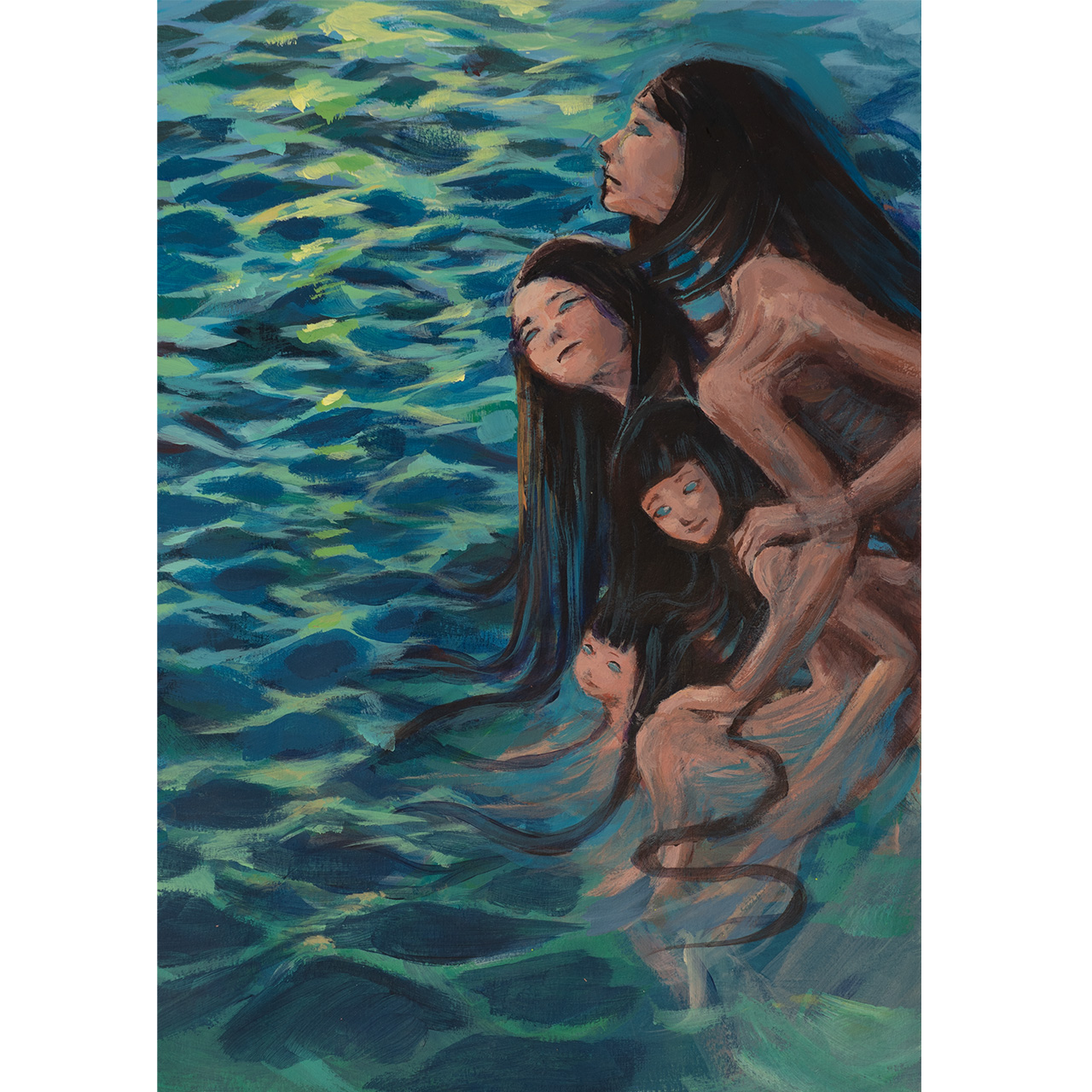
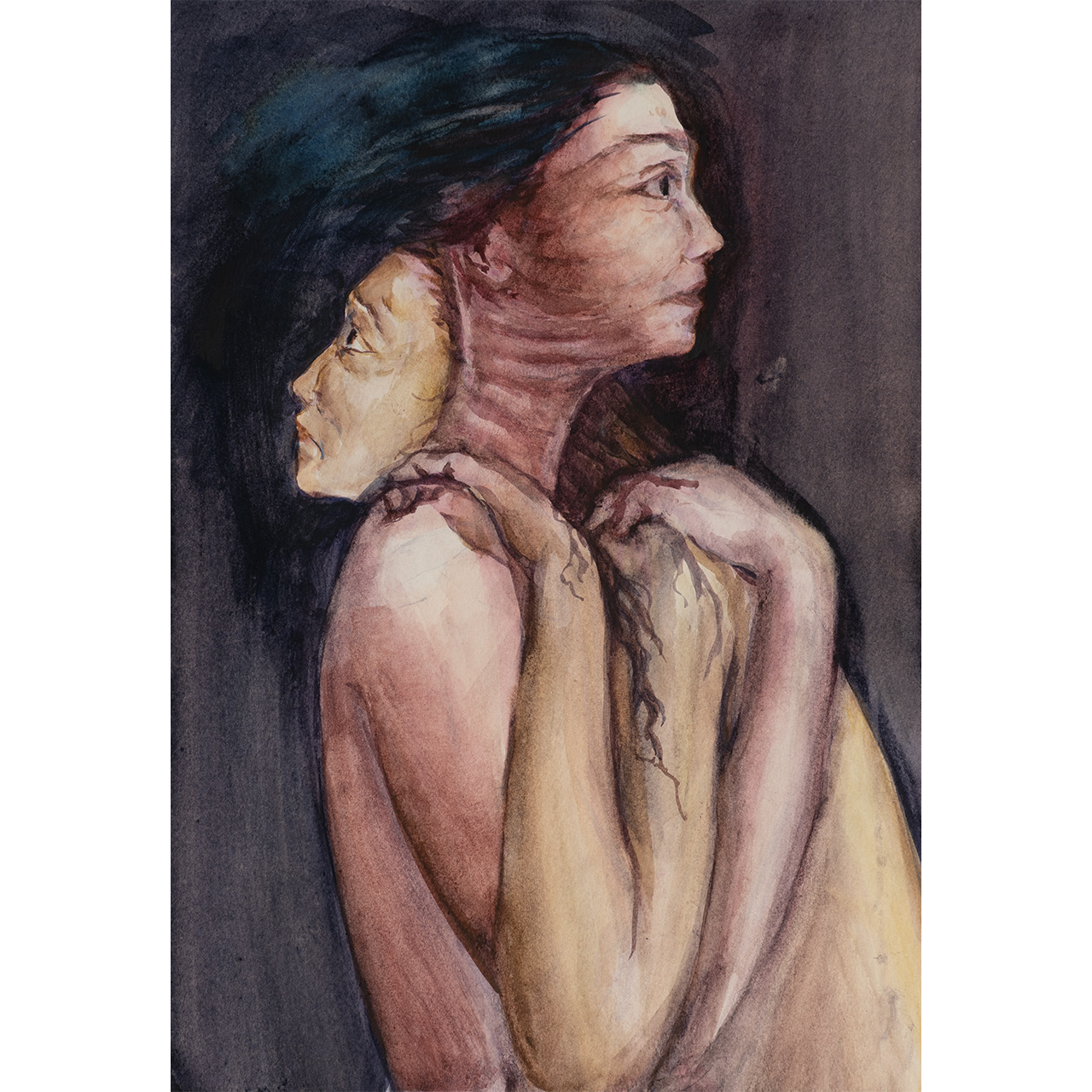
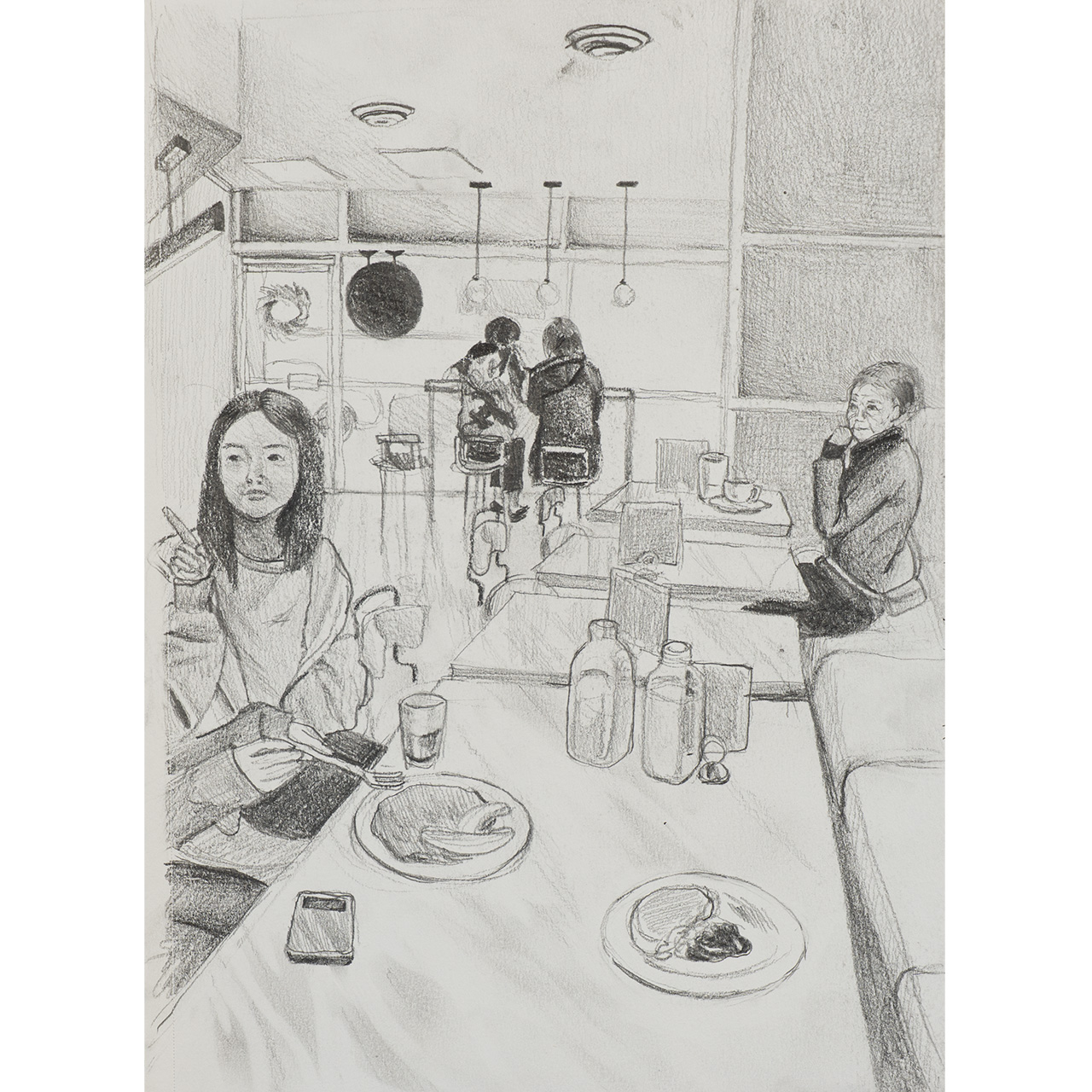
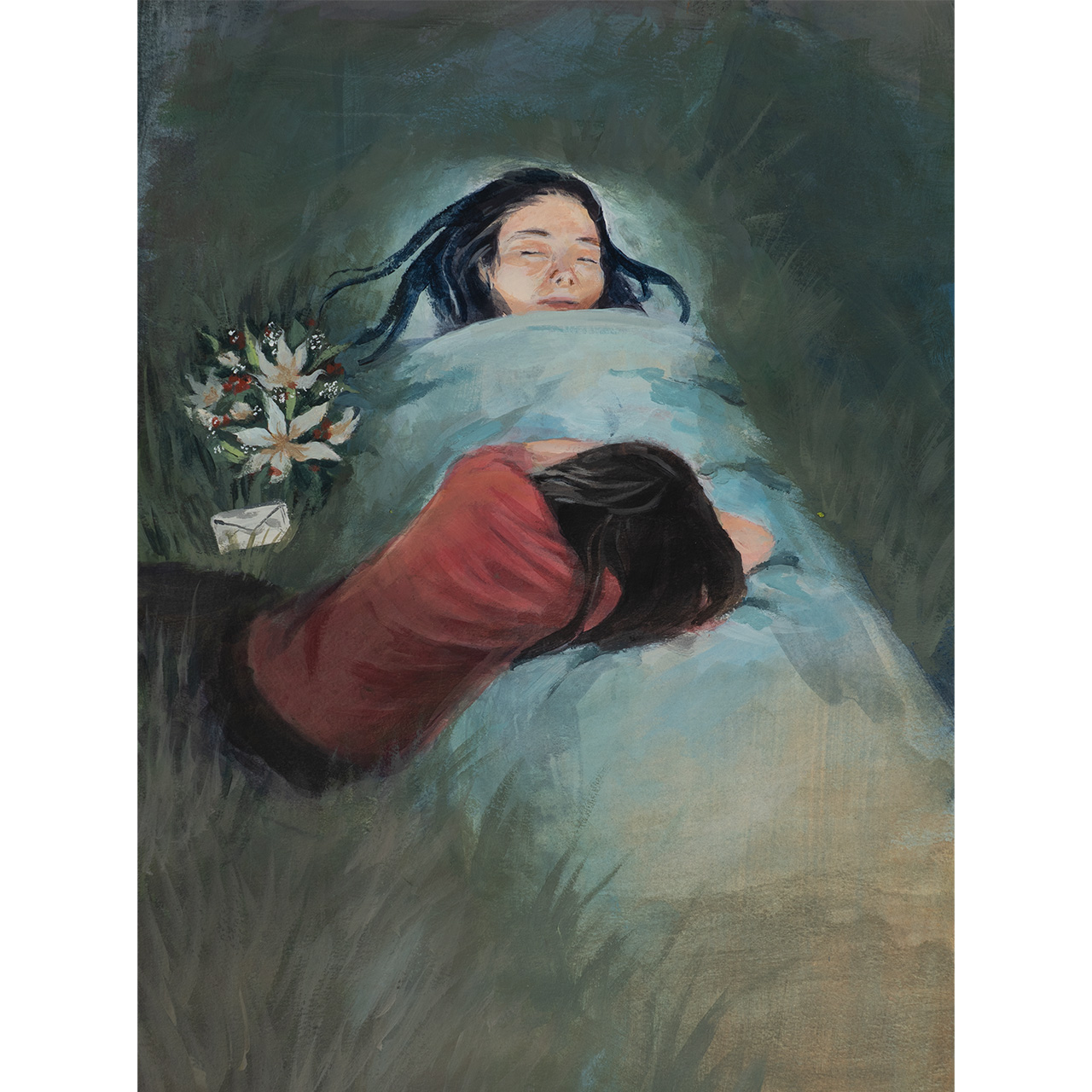
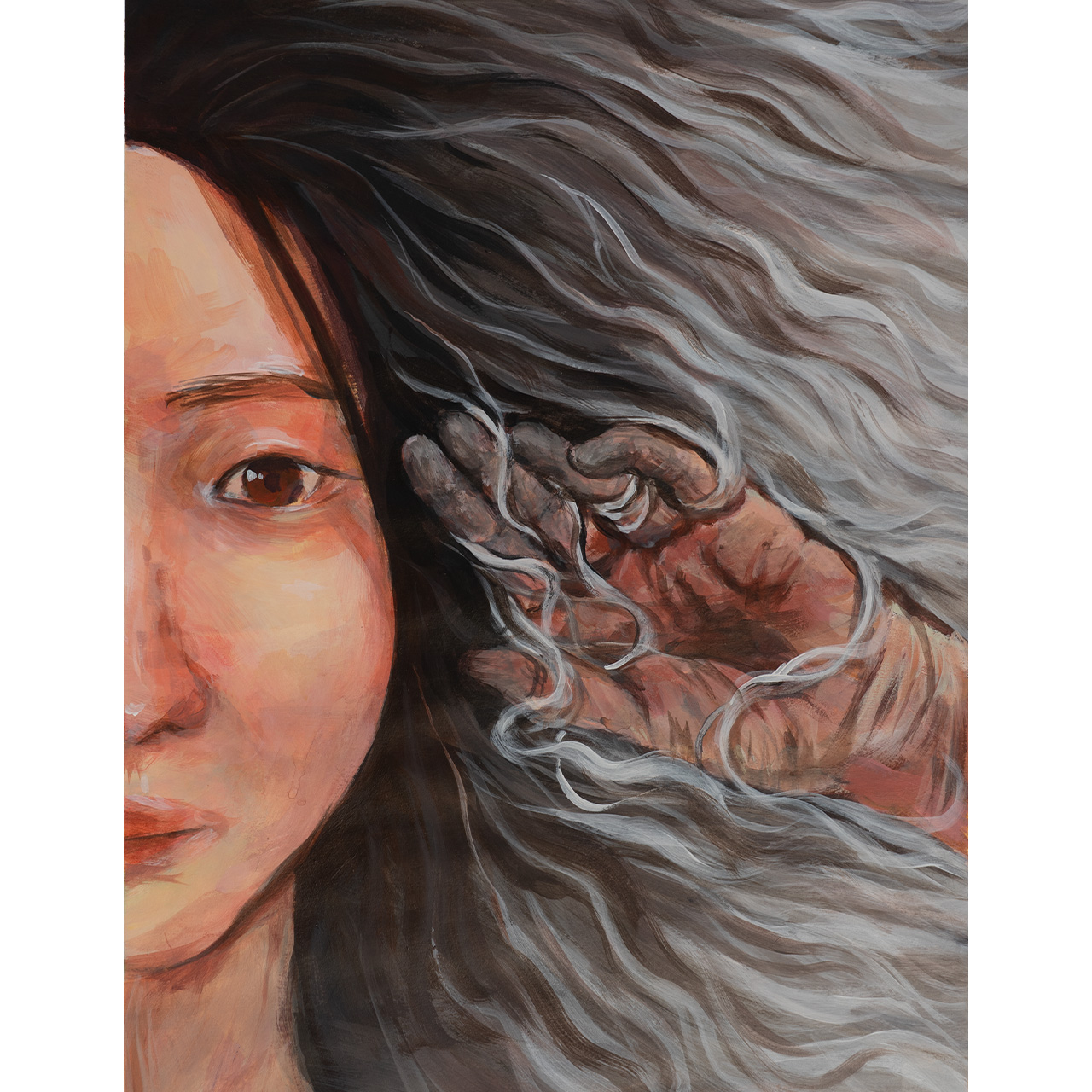
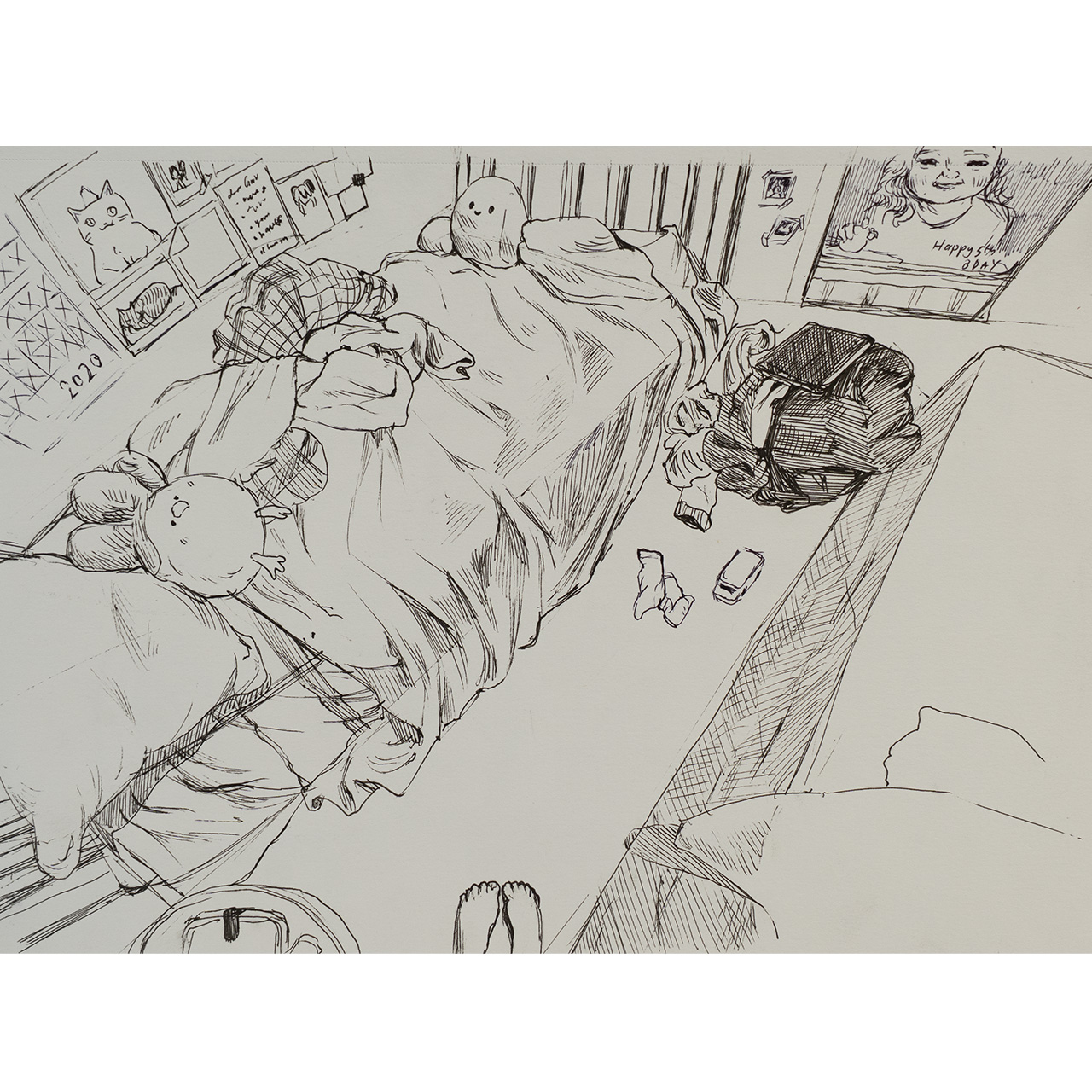
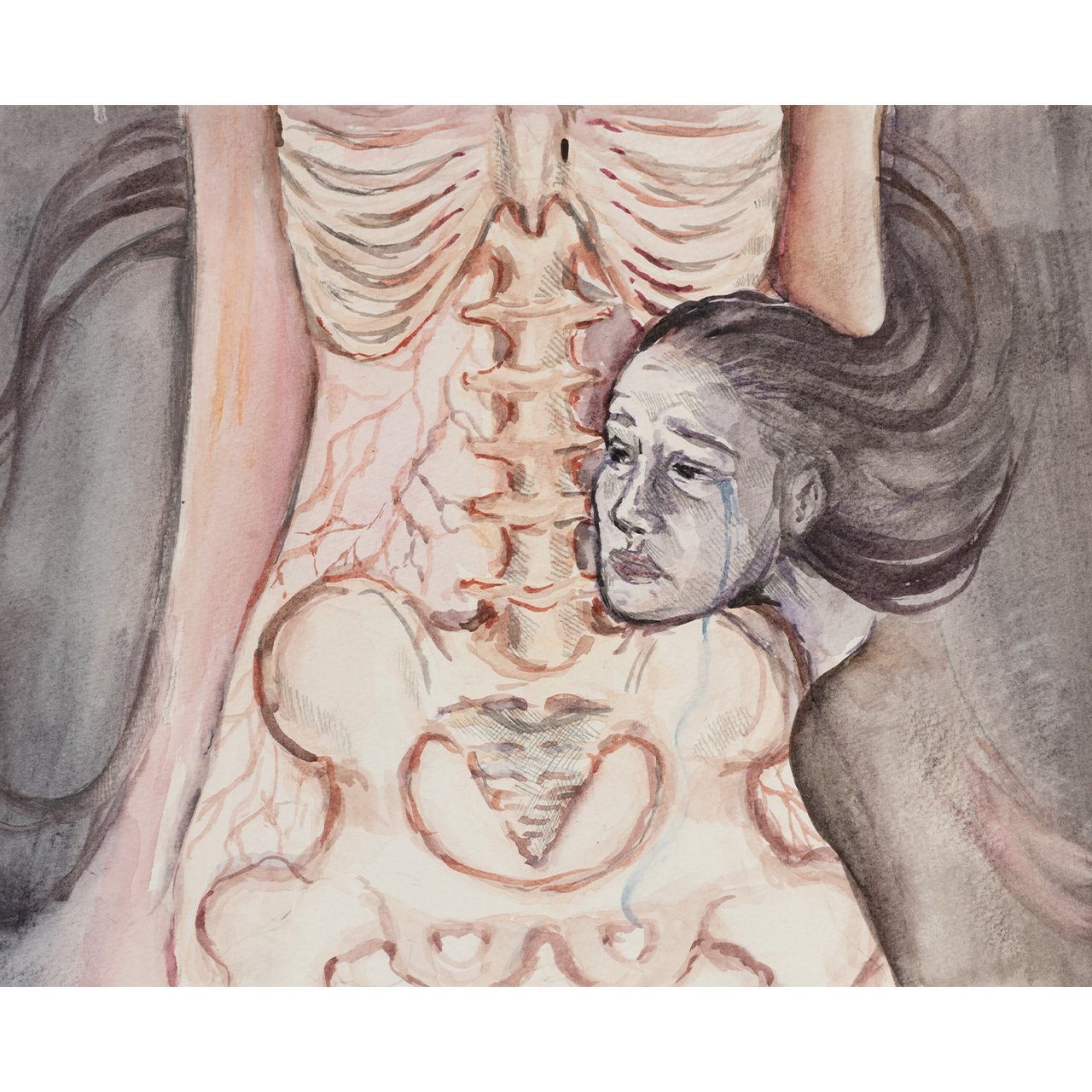
AP Art is not a “drawing test.”It is a structured system of sustained investigation and visual inquiry.
We do not aim merely to complete 15–20 artworks.
We guide students to build:
- A clear and coherent conceptual thread
- A developing and recognizable visual language
- Rigorous experimentation and revision habits
- Reflective thinking throughout the creative process
High AP scores are not determined by technical polish alone, but by conceptual depth and structural clarity.
This program is designed for students in Grades 9–12. with foundational skills who plan to pursue AP 2D Art & Design, AP 3D Art & Design, or AP Drawing — and potentially apply to competitive art and design institutions.
Program Structure
Phase 1 — Inquiry & Concept Formation / Establishing a focused and research-driven investigation theme.
Phase 2 — Experimentation & Expansion / Iterative media exploration across 2D, 3D, or Drawing disciplines.
Phase 3 — Refinement & Presentation / Strategic editing, portfolio sequencing, and digital submission preparation.
Core Training Focus
– Conceptual extension and thematic coherence
– Critical thinking and visual analysis
– Structural composition and value control
– Cross-media integration when appropriate
Outcomes
– Completed AP Art & Design Portfolio
– High-quality Sustained Investigation body of work
– A strong foundation for university portfolio development
PROGRAM
PORTFOLIO


University Planning & Portfolio Development
Portfolio is not a collection of strong pieces. It is a coherent visual system with logic, position, and continuity.
We guide students to answer three foundational questions:
- Who am I as a visual thinker?
- What issues or themes do I consistently investigate?
- How do I deepen and expand that inquiry over time?
This program is designed for students in Grades 9–12 who plan to apply to art, design, architecture, or media-related universities and require systematic strategic planning.
Program Structure
Phase 1 — Direction & Positioning
- School research and alignment
- Major pathway mapping (Fine Art / Design / Architecture / Media)
- Style analysis and thematic refinement
Phase 2 — Project Development
- Concept-driven project building
- Process documentation and visual log integration
- Cross-media expansion where appropriate
Phase 3 — Application Strategy
- School-specific portfolio editing
- Sequencing and presentation logic
- Artist statement and written material refinement
- Interview preparation
Core Training Focus
- Long-term project management
- Visual system construction
- Concept articulation and narrative clarity
- Presentation and communication skills
Outcomes
- Completed university-ready portfolio
- A structured project-based body of work
- Clear academic direction and specialization positioning
PROGRAM
Scholastic Awards
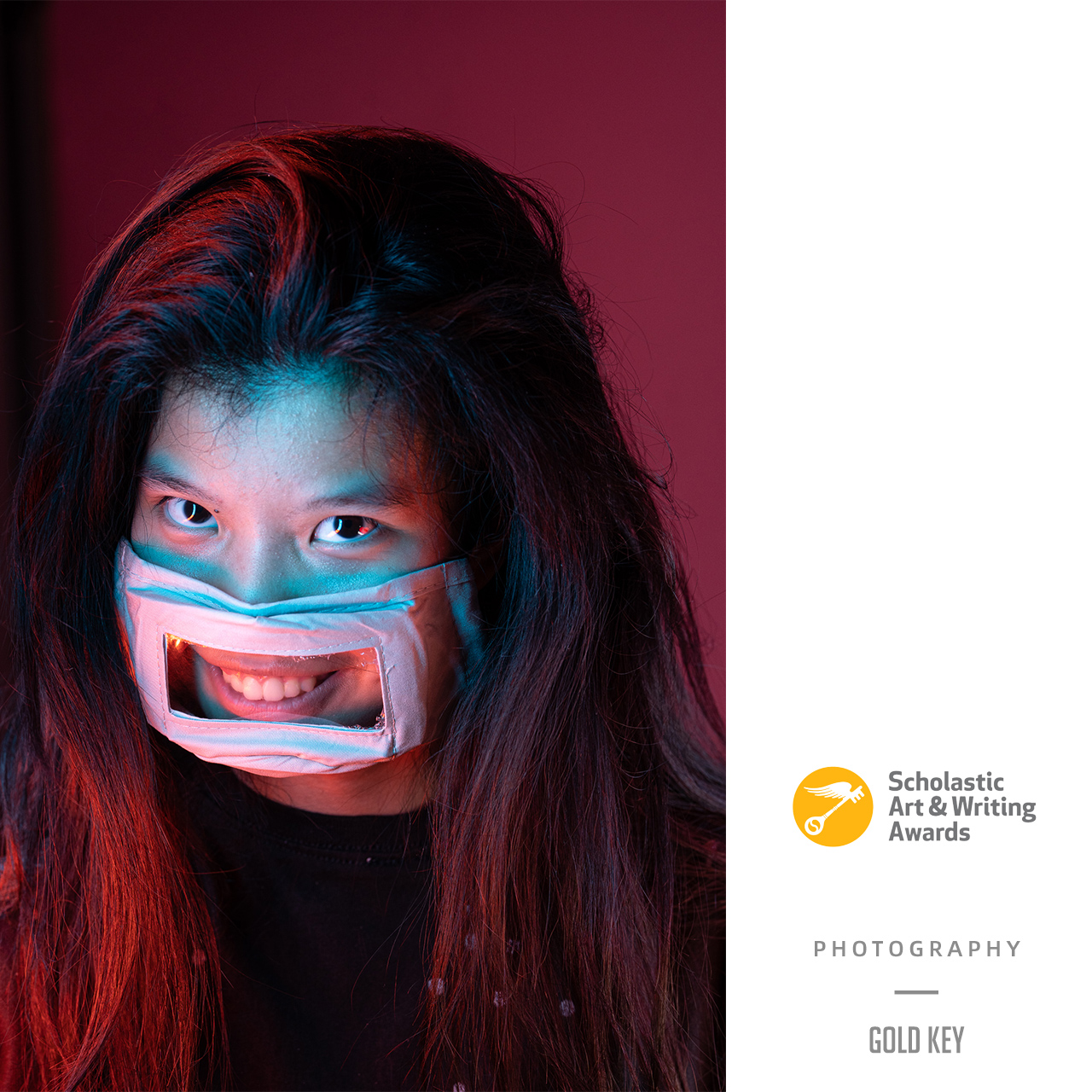
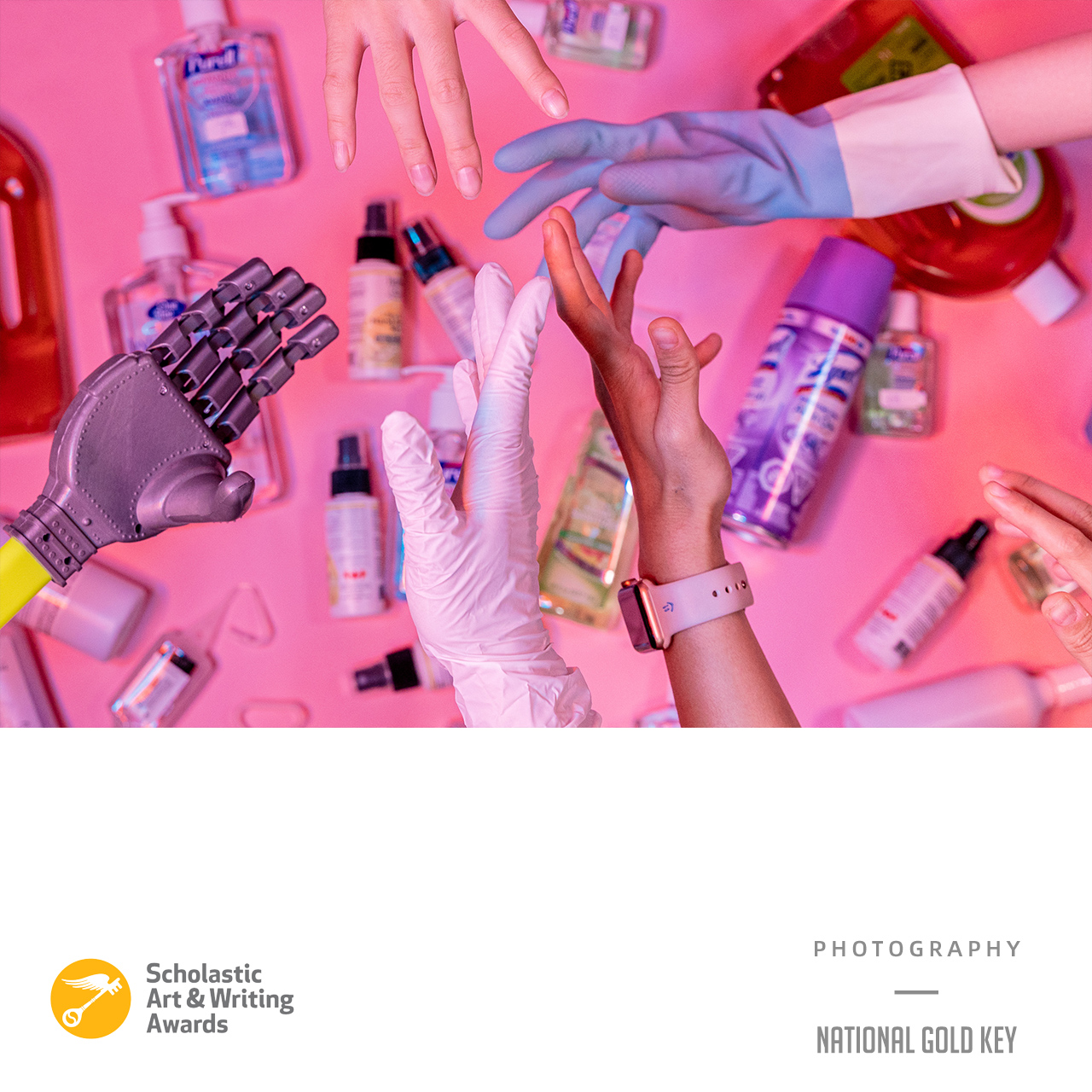
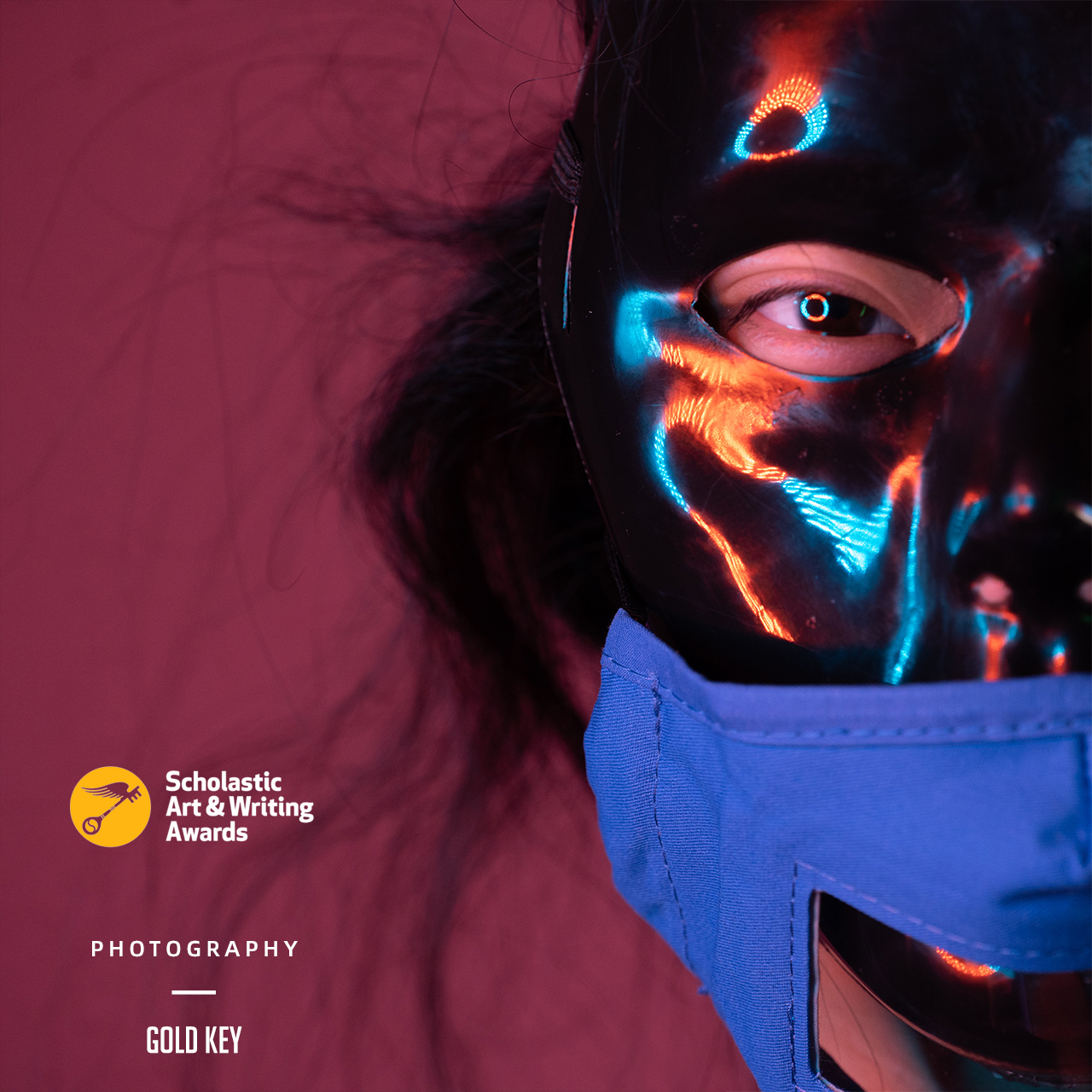
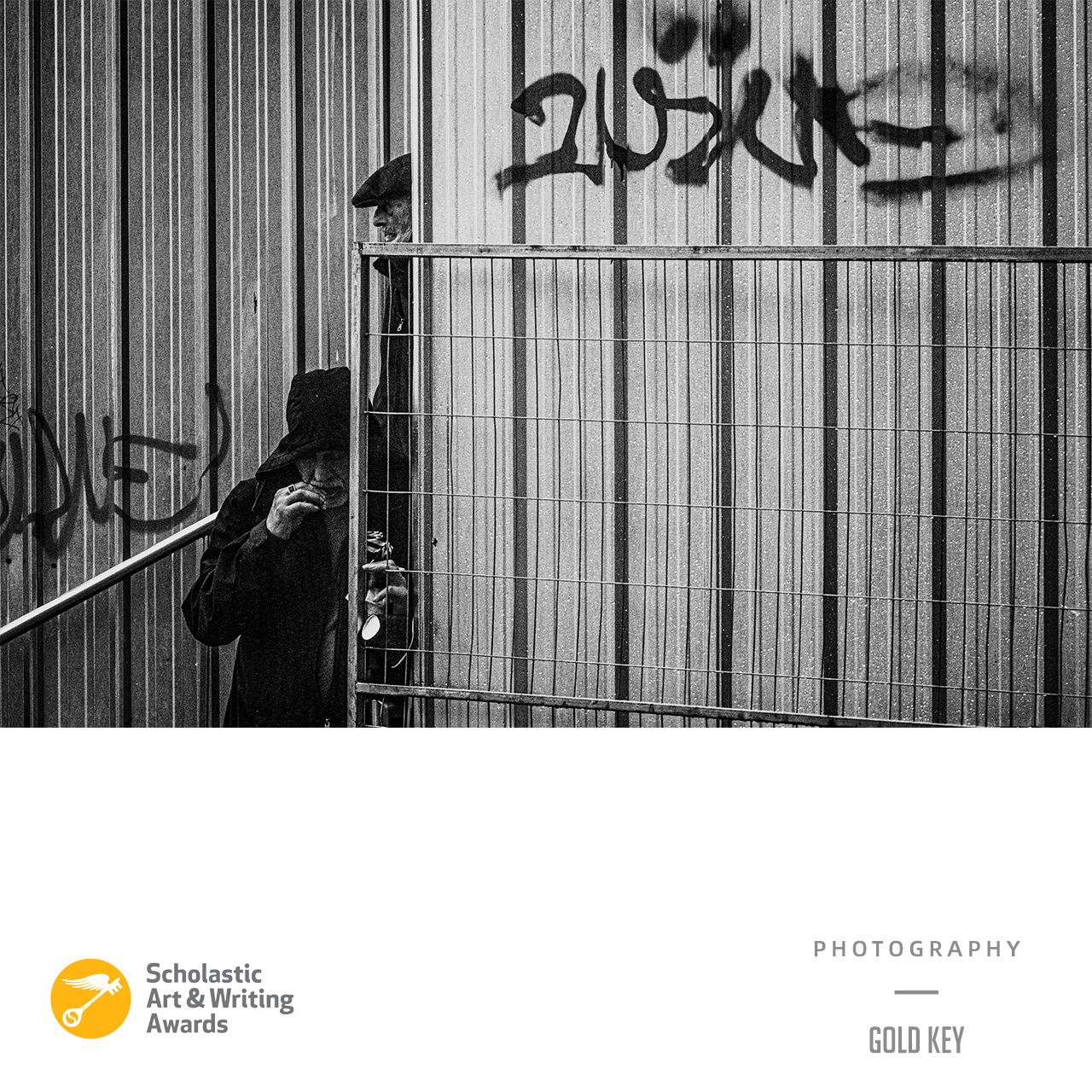
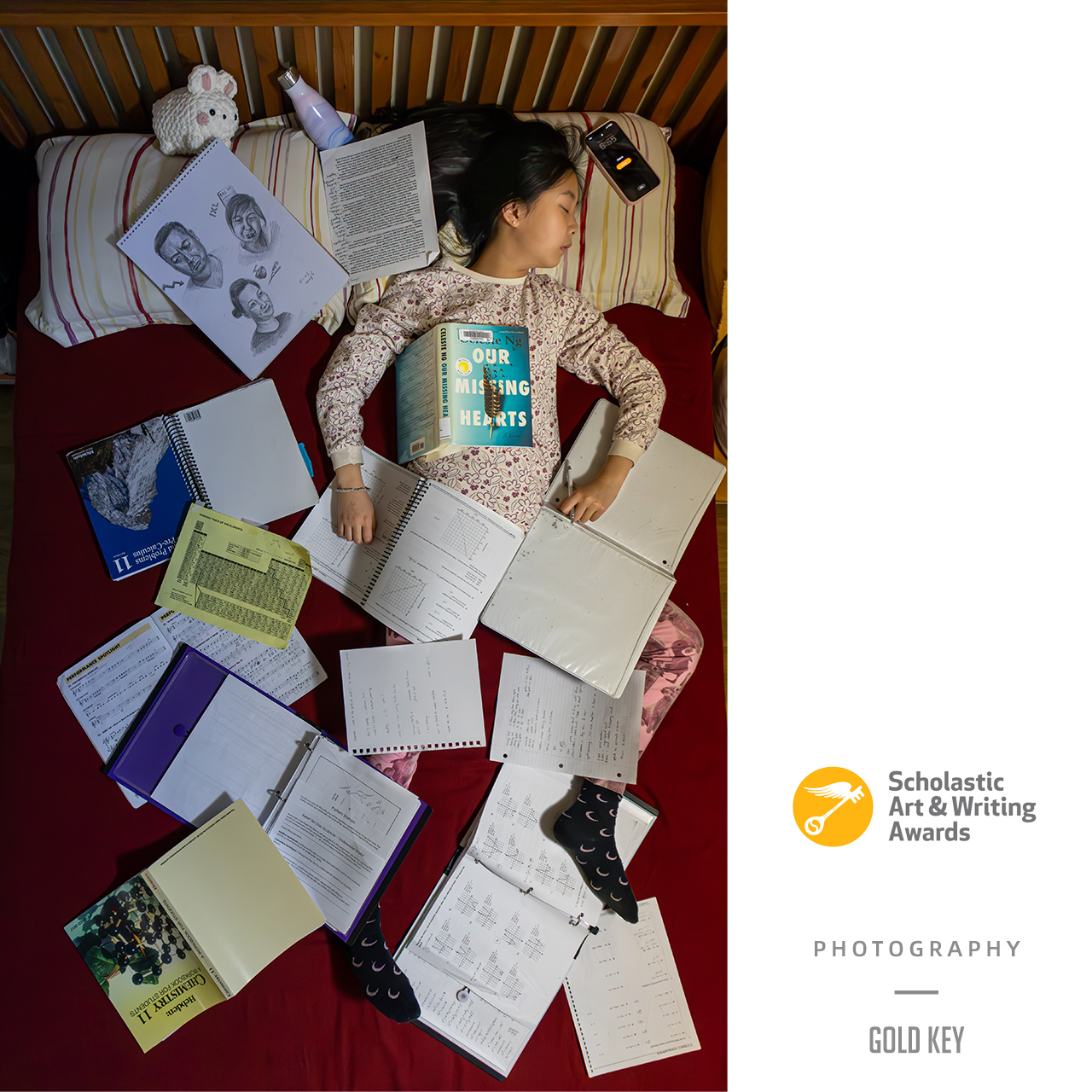
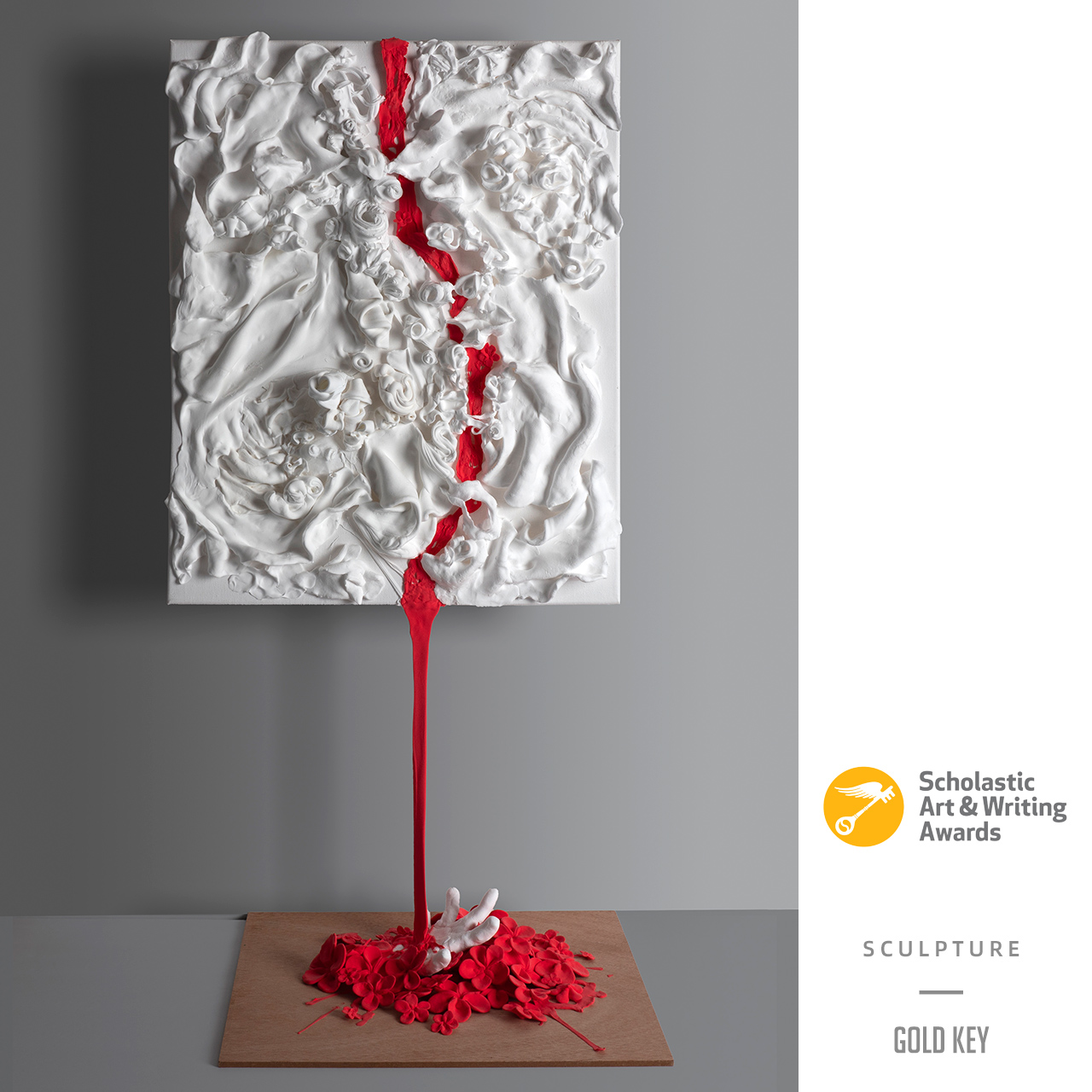
The Scholastic Art & Writing Awards is not a decoration contest. It evaluates originality, clarity of voice, and conceptual risk.
We do not prepare students to imitate winning styles. We train them to construct work that withstands critical review.
Positioning
A structured competition strategy program designed for students aiming to submit to national-level art awards.
This track is suitable for students in Grades 8–12, who demonstrate strong foundational skills and are ready for conceptual challenge.
Program Structure
Phase 1 — Positioning & Theme Development
- Competition category analysis
- Jury expectation study
- Concept mapping and differentiation strategy
Phase 2 — Risk & Originality Development
- Media experimentation
- Concept refinement through critique
- Eliminating decorative redundancy
Phase 3 — Submission Architecture
- Strategic selection of works
- Technical refinement
- Documentation and formatting standards
Core Training Focus
- Originality under constraint
- Conceptual clarity
- Media expansion and risk tolerance
- Critical editing and self-evaluation
Outcomes
- Competition-ready submission package
- Refined body of work with stronger conceptual structure
- Increased resilience through critique and revision
Most studios train for aesthetic polish.
We train for conceptual strength.
Awards are not won by surface skill alone.
They reward clarity, depth, and risk.
For Students
Questions?
Start Here.
You don’t need to have everything figured out.
If you’re unsure, curious, or just exploring —
this is for you.
I’m not good at art. Can I still join?
Yes.
You don’t need to be “talented.”
You need to be willing to learn structure.
We train how you see, think, and build —
not how fast you can copy.
Is this just for students who want to become artists?
No.
Some students pursue art seriously.
Others use it to strengthen thinking and expression.
The foundation benefits both.
What if I don’t know my direction yet?
That’s normal.
Exploration is part of the process.
Foundations help you discover what you’re good at.
Is this very technical?
It’s structured — but not rigid.
We focus on clarity and reasoning,
not memorizing techniques.
Do you use AI or digital tools?
Yes — as tools.
But tools don’t replace thinking.
You will learn when and why to use them.
Is this like a hobby class?
No.
It’s structured studio training.
But it’s built to help you grow — not to pressure you.
We don’t just teach art.
We train how you see,
think,
build,
and decide.
In a world where tools change fast,
your ability to think clearly and act independently matters more.
Eye
— Observation
Learn to see structure, detail, and relationships.
Clarity begins with perception.
Hand
— Creation
Turn ideas into form.
Build through practice and revision.
Mind
— Thinking
Analyze, refine, and make decisions.
Develop structured visual reasoning.
Heart
— Direction
Know what you care about.
Build the drive to pursue it seriously.