PATHWAYS Choose Your Direction.

Foundations build structure.
Pathways build focus.
When you’re ready to go deeper,
you choose a direction.

A pathway is not just a class. It is a focused studio track.

You commit to one direction.
You build depth, not samples.

PATHWAY
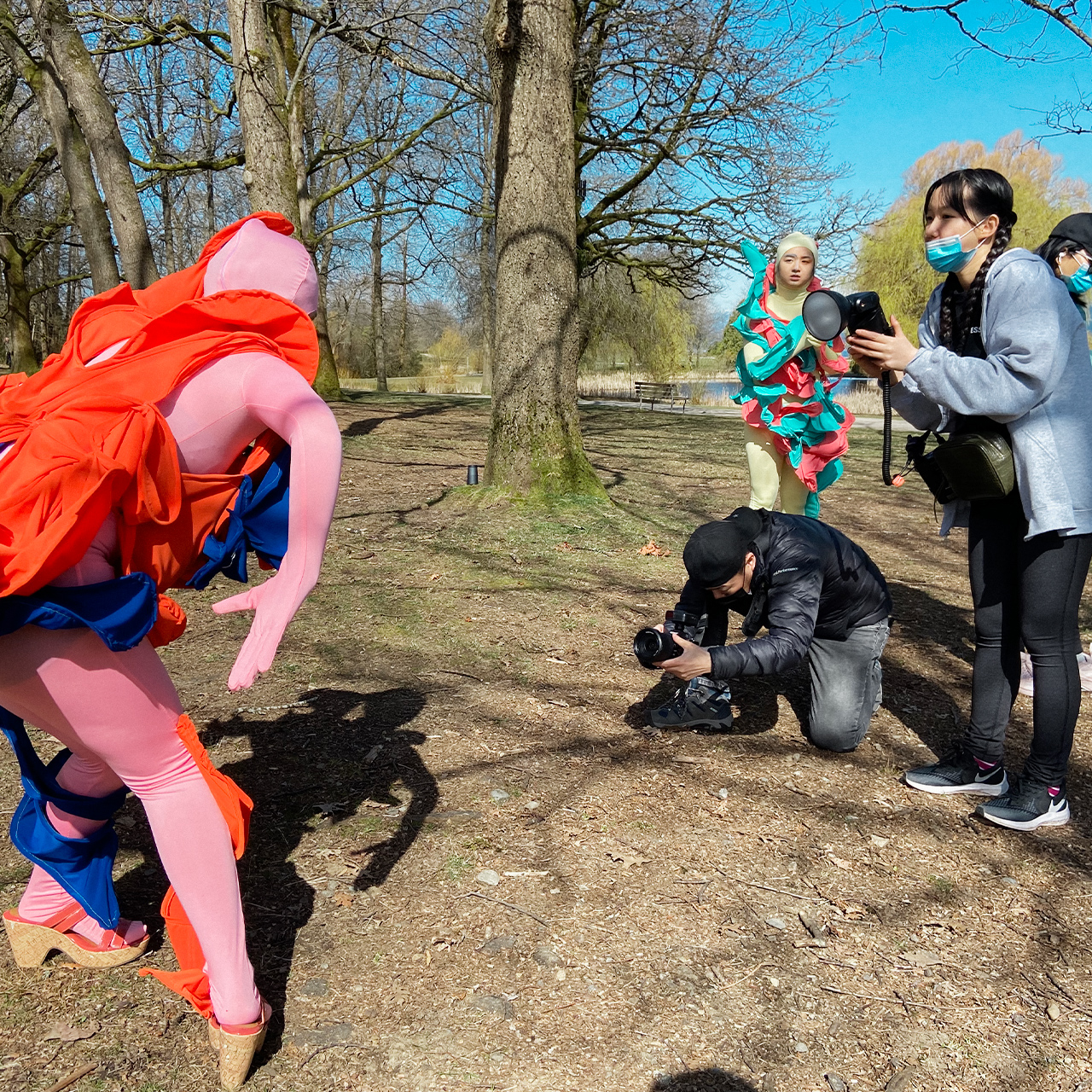
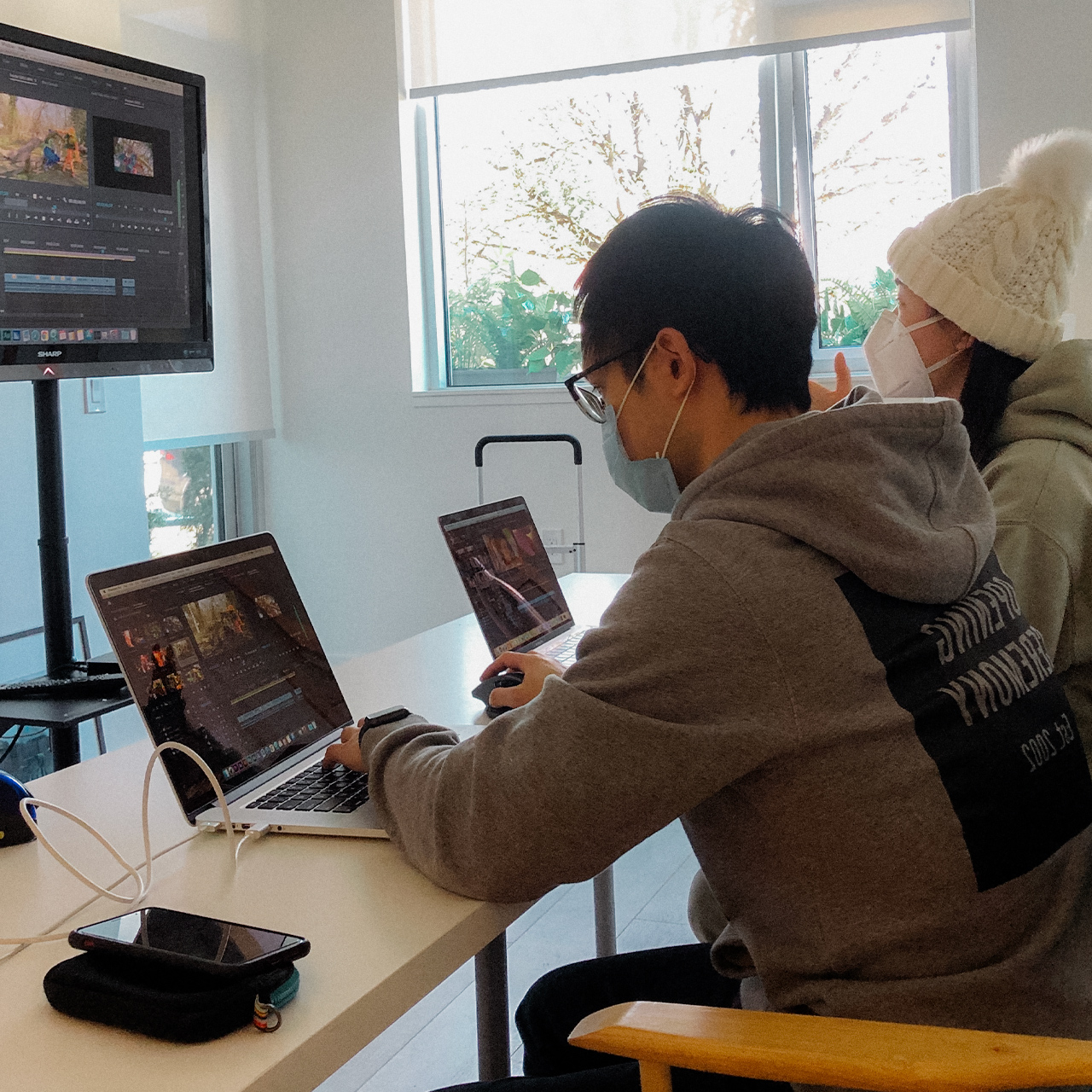
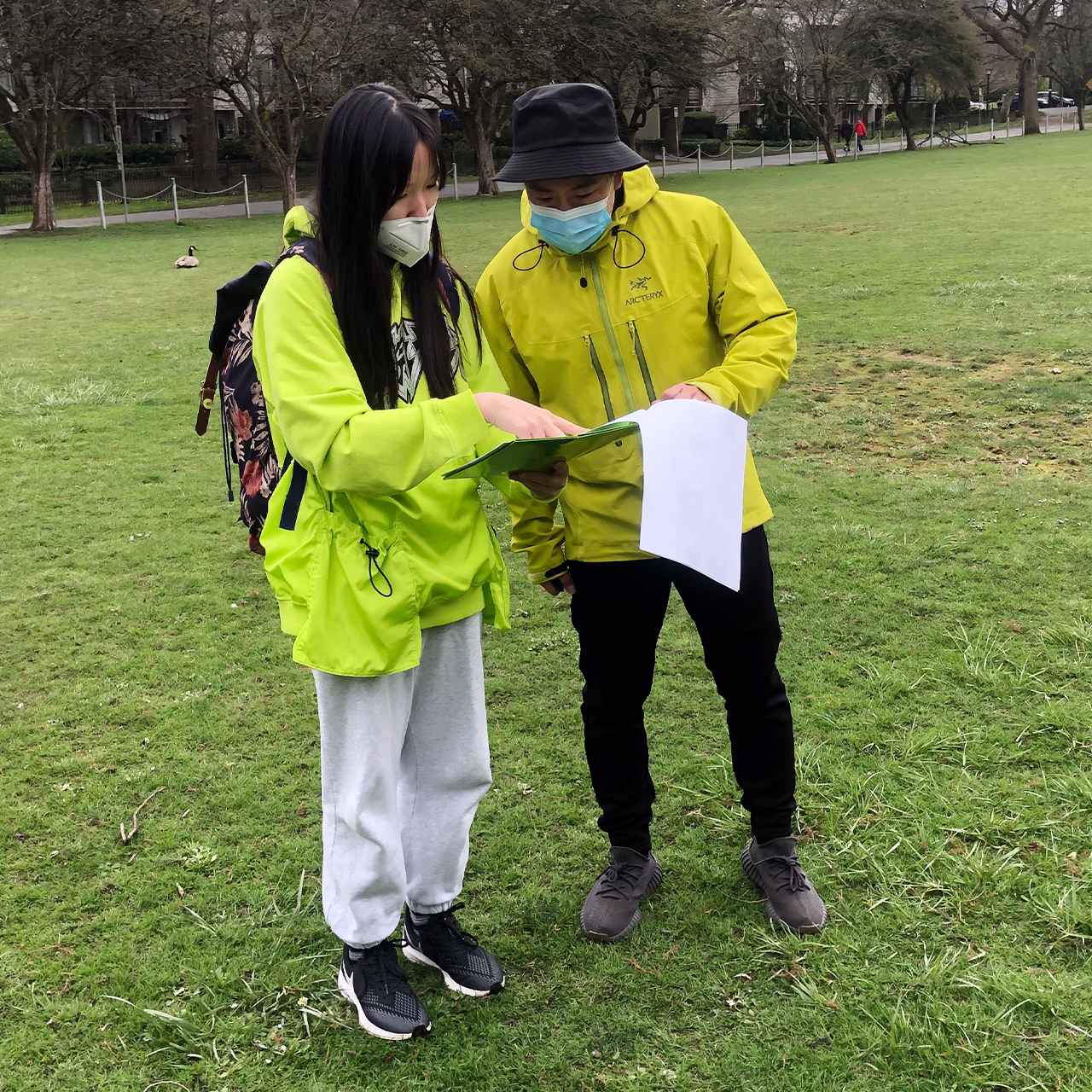
Moving Image

Story, timing, structure.
Learn how motion communicates ideas.

Focus Areas:
• Script and concept
• Camera and editing
• Visual rhythm
• Project production

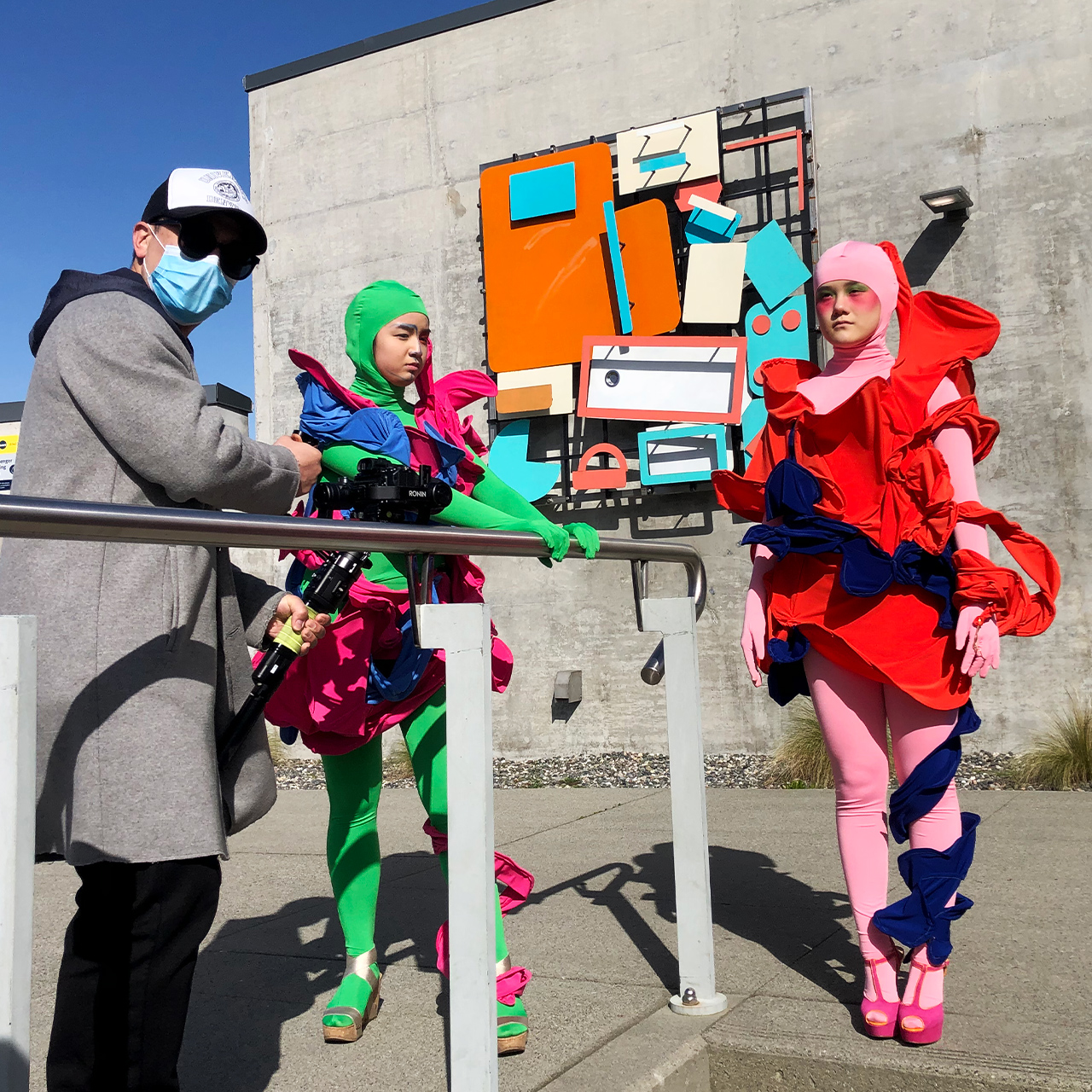
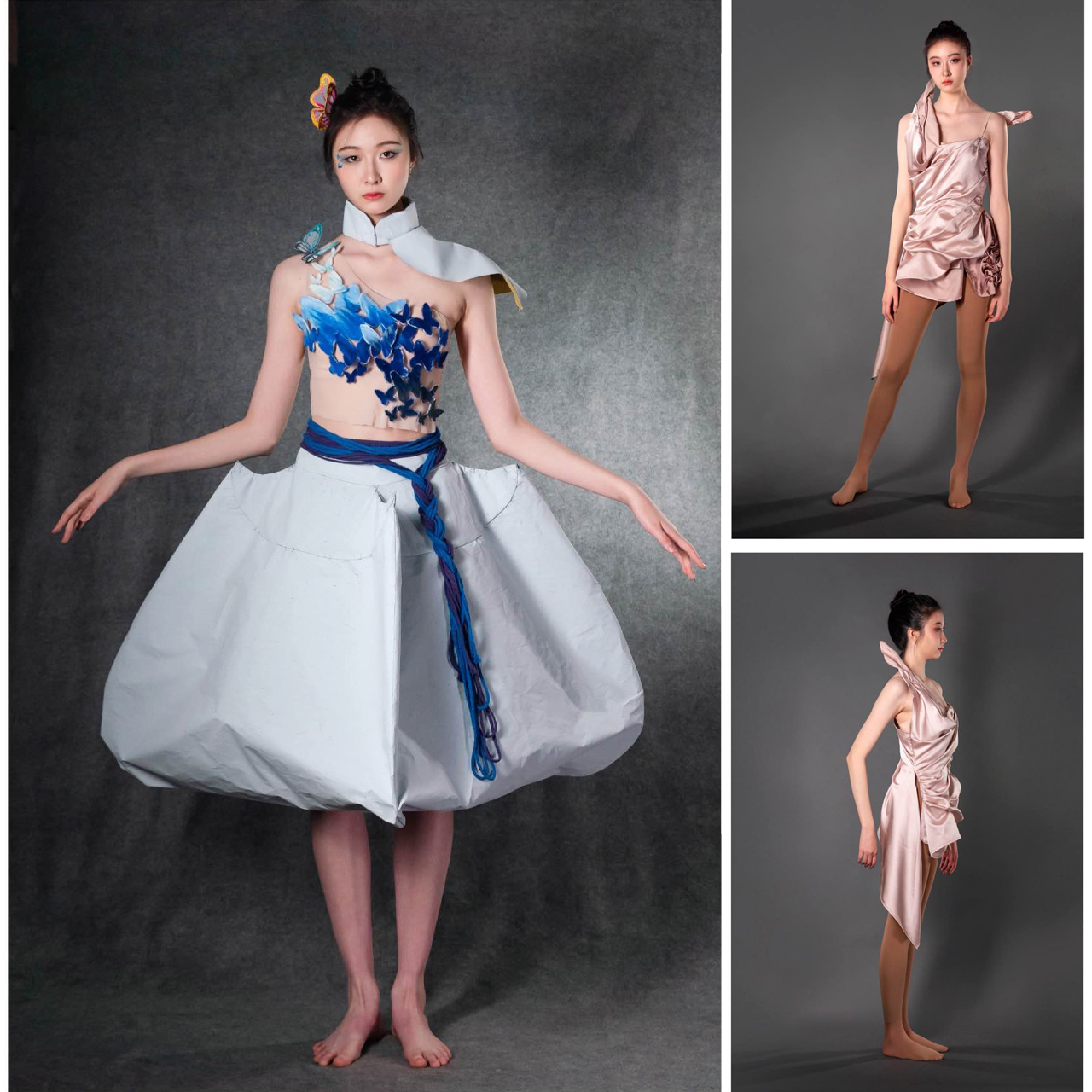
A concept-driven fashion collection by high school student Angelina, Signal explores humanity’s digital dependency through surreal storytelling and material contrast.

This project became part of her Parsons School of Design–accepted portfolio.

PATHWAY
Fashion Design

Form, proportion, material logic.
Translate concept into wearable structure.

Focus Areas:
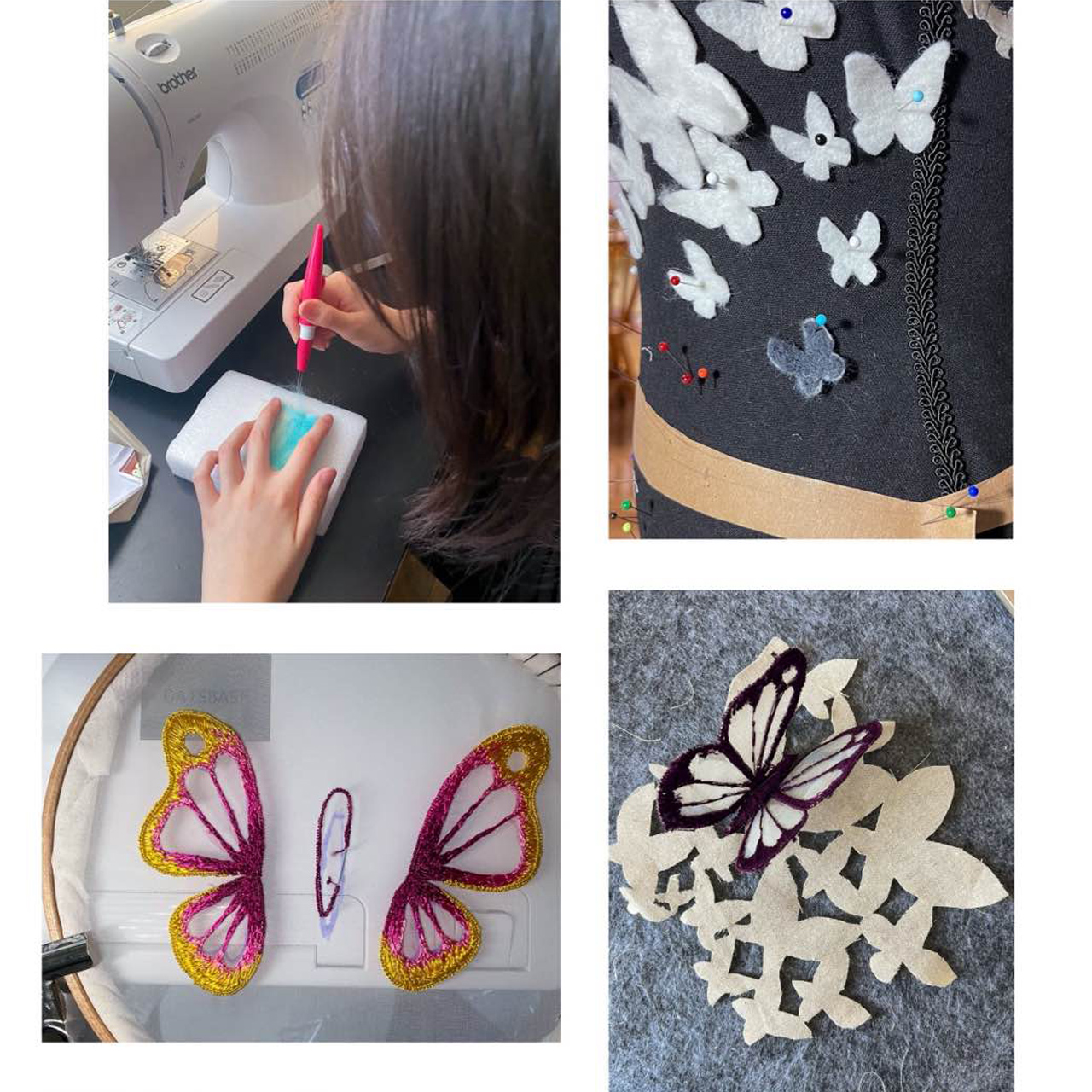
• Garment construction
• Material studies
• Structural design
• Collection development

PATHWAY
Photography

Light, composition, narrative.
Develop personal visual language.

Focus Areas:
• Concept development
• Technical control
• Series building
• Portfolio preparation

PATHWAY
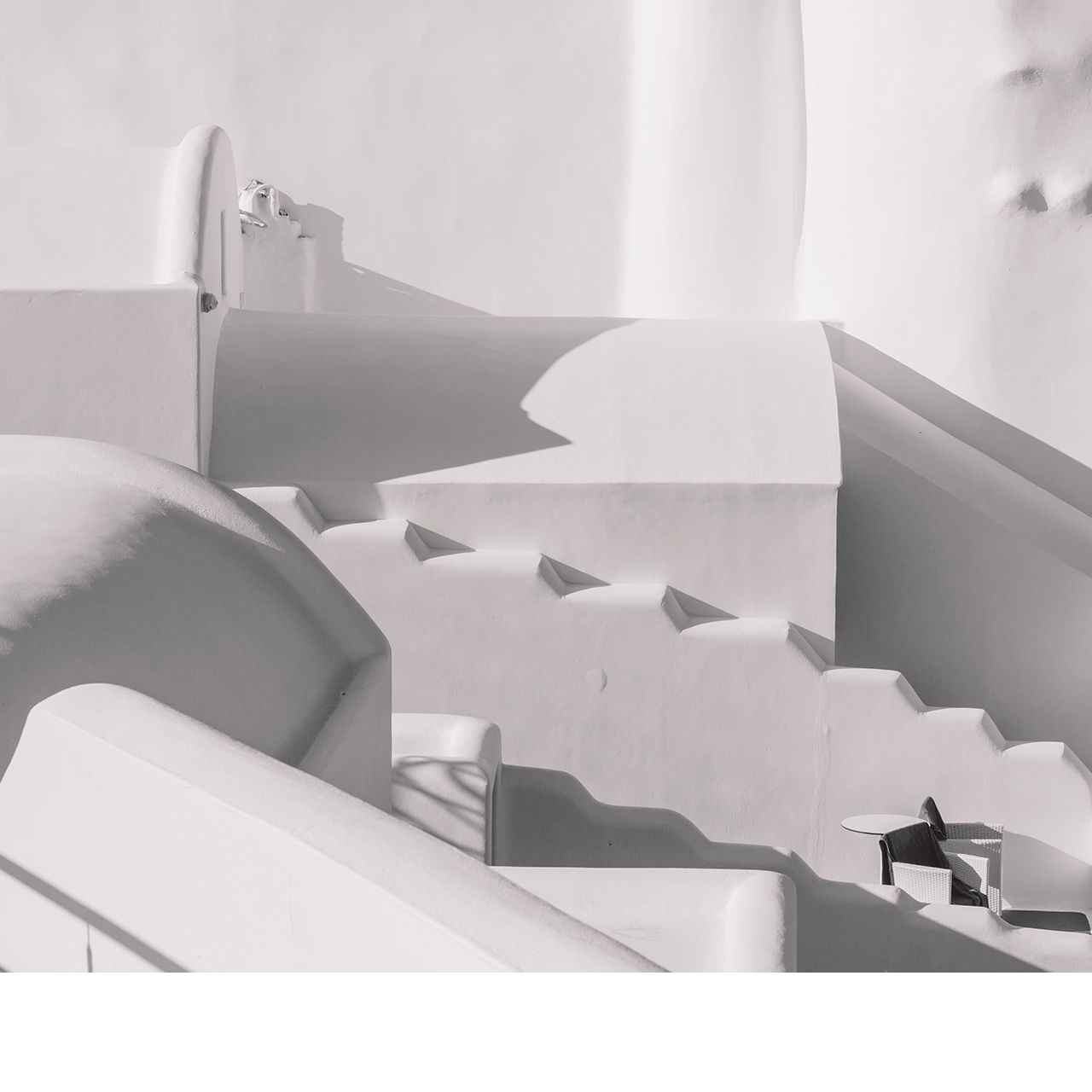
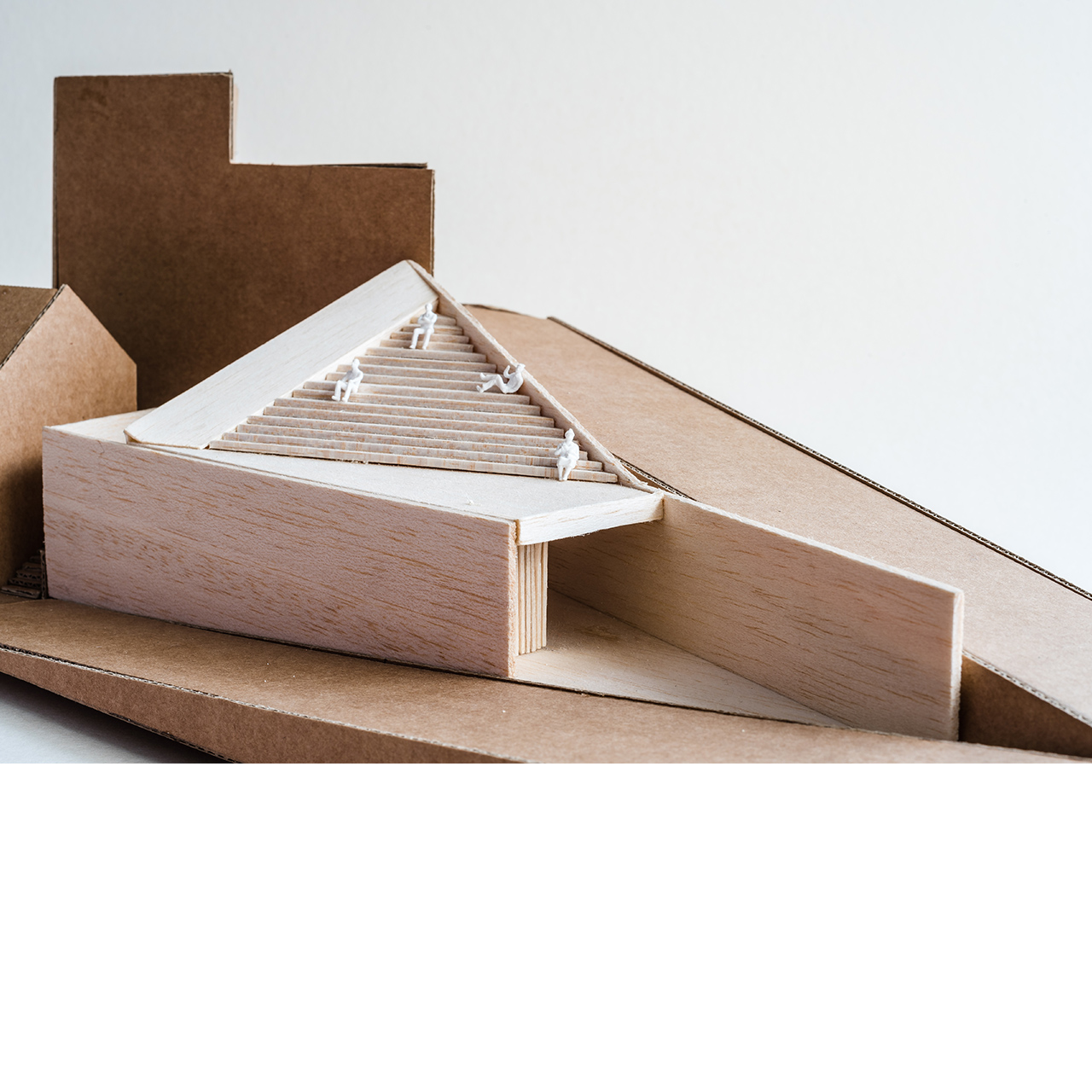
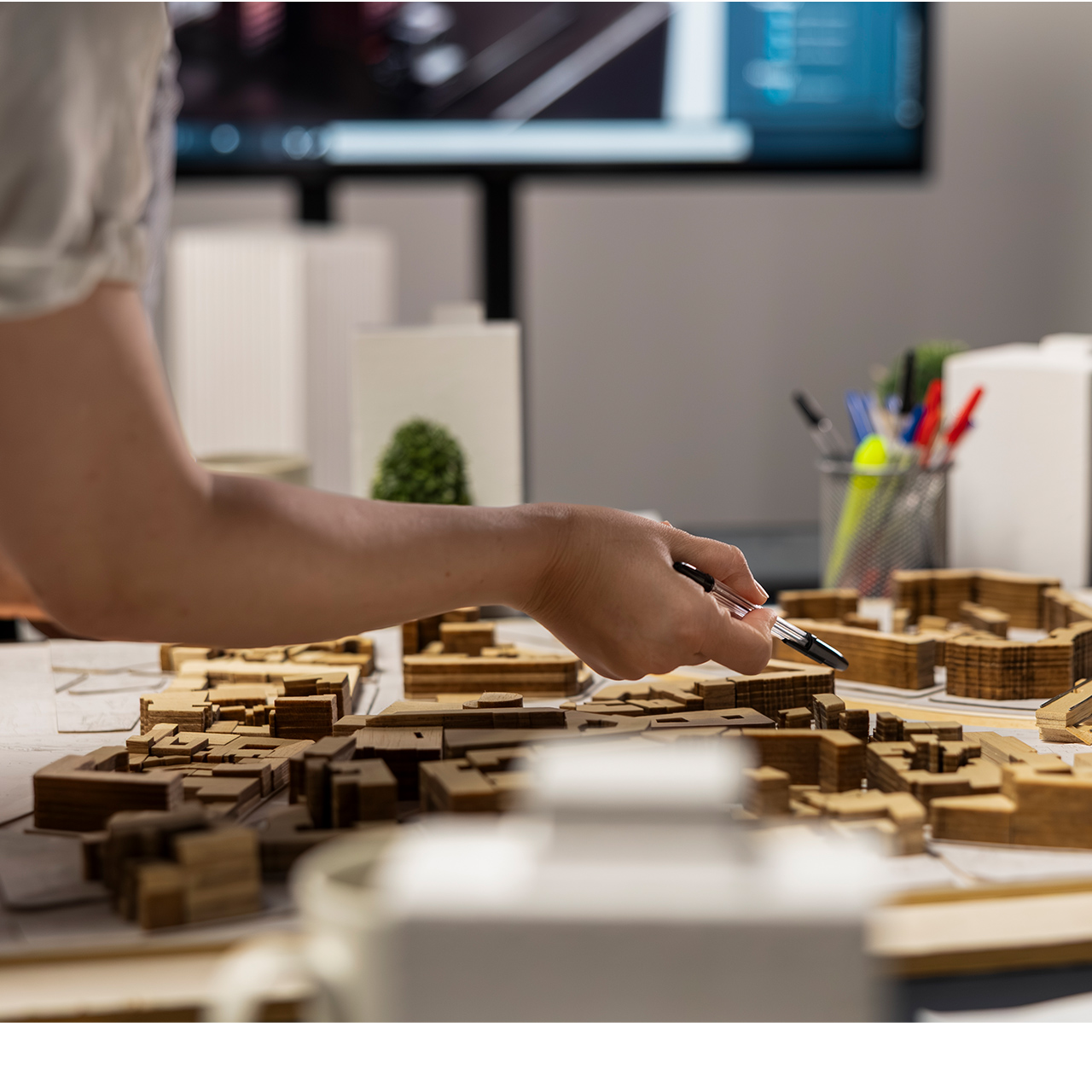
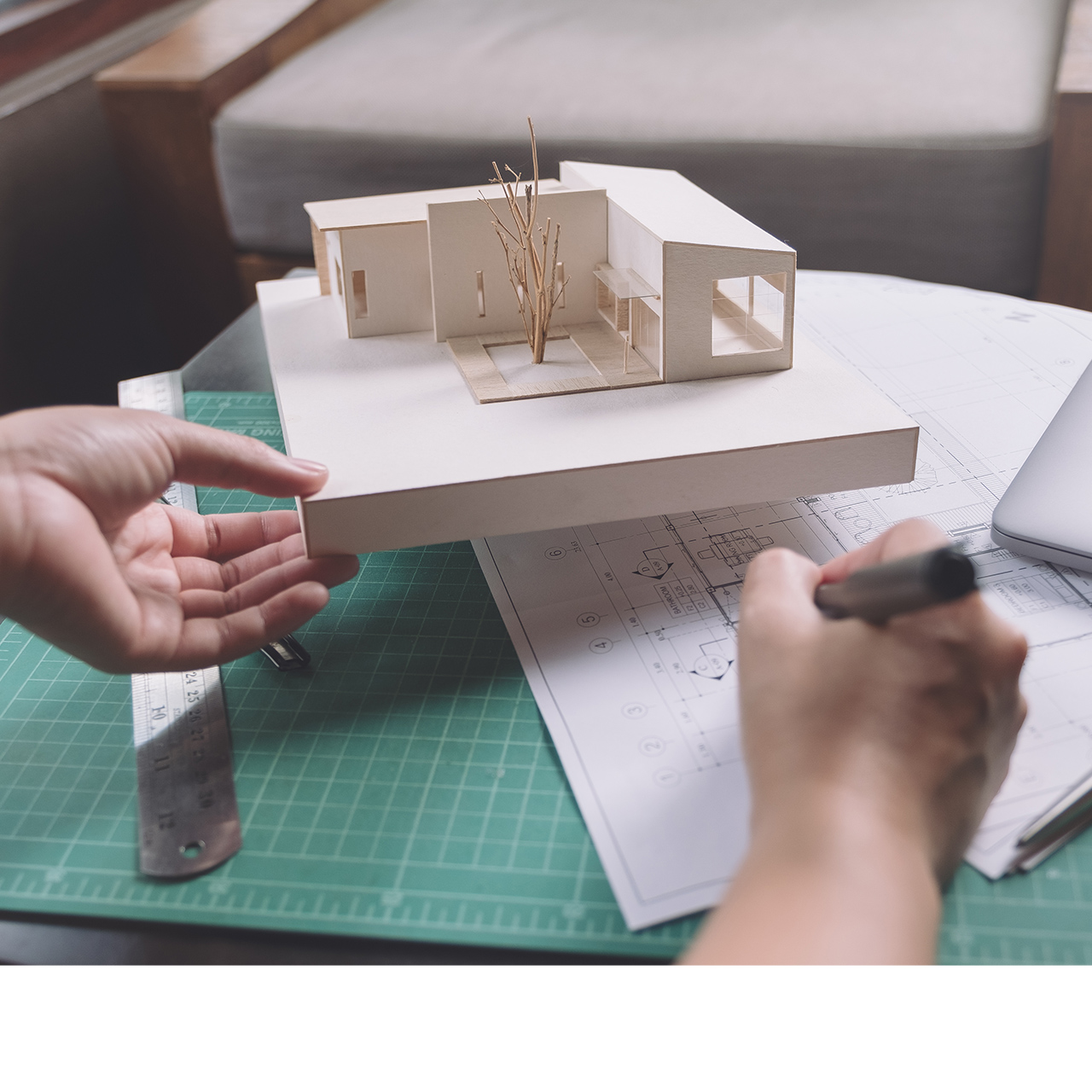
Architecture & Spatial Design

Space, scale, structure.
Design environments with intention.

Focus Areas:
• Spatial composition
• Model making
• Concept diagrams
• Design reasoning

Who Should Choose a Pathway?
Students who: / Are serious about a creative field / Want to build depth / Plan to develop a portfolio / Prefer focused studio work
How It Connects to Foundation
Foundation trains structure. Pathways apply structure. You don’t abandon Foundation. You build on it.
For Students

Questions?
Start Here.

You don’t need to have everything figured out.
If you’re unsure, curious, or just exploring —
this is for you.

Yes.

You don’t need to be “talented.”
You need to be willing to learn structure.

We train how you see, think, and build —
not how fast you can copy.

No.

Some students pursue art seriously.
Others use it to strengthen thinking and expression.

The foundation benefits both.

That’s normal.

Exploration is part of the process.
Foundations help you discover what you’re good at.

It’s structured — but not rigid.

We focus on clarity and reasoning,
not memorizing techniques.

Yes — as tools.

But tools don’t replace thinking.
You will learn when and why to use them.

No.

It’s structured studio training.
But it’s built to help you grow — not to pressure you.